
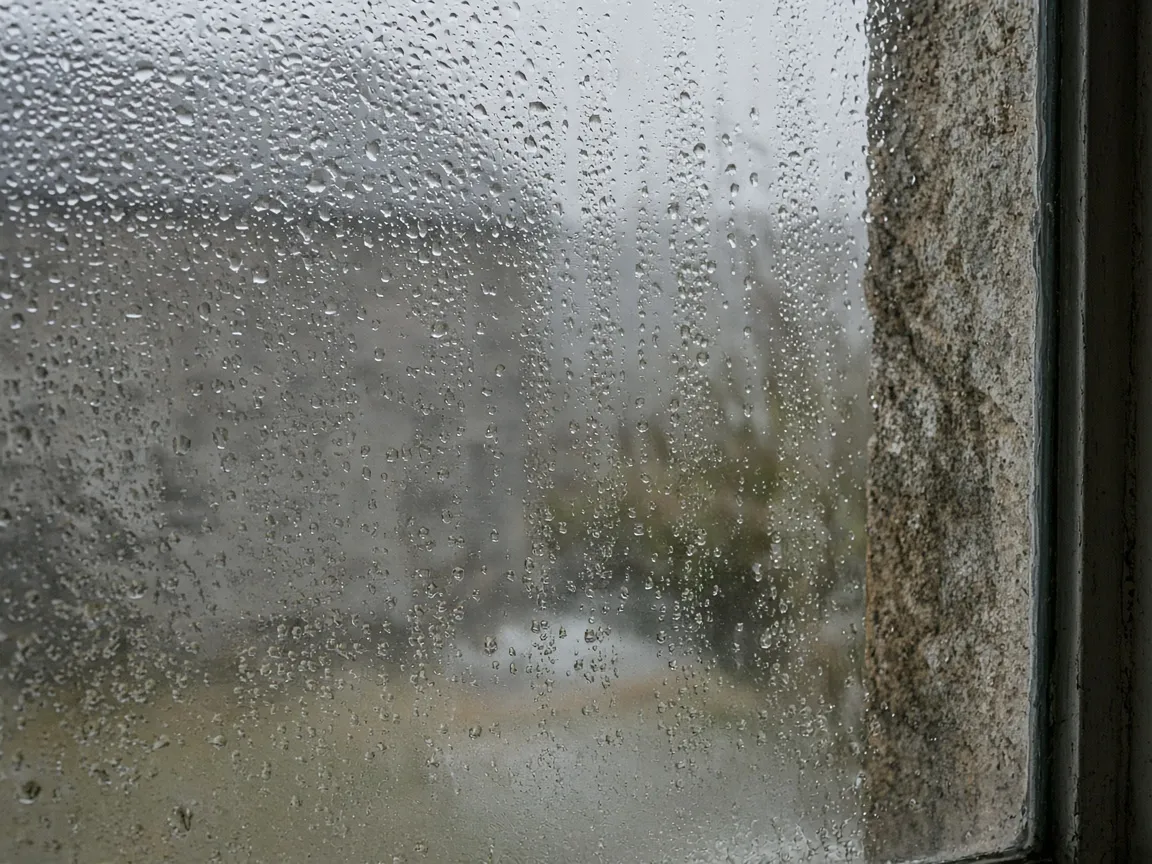
Moisture in a Stirling home comes from cooking, bathing, drying clothes and the weather pressing against cold surfaces. When warm indoor air meets a cold pane, droplets form. That pattern is common on grey Scottish mornings — it does not, by itself, prove that every window must be replaced.
A survey looks for misting between panes (a sealed-unit failure), cold spots at the frame edge, blocked trickle vents, and rooms that never get a path for moist air to leave. We do not invent climate statistics or building-warrant rules on this page. The surveyor confirms what the property needs.
Better glass can raise the inner surface temperature and cut condensation when the unit itself is the weak point. Ventilation and how the house is heated still matter. If you are comparing options, see UPVC windows or ask about triple glazing on the coldest elevations.